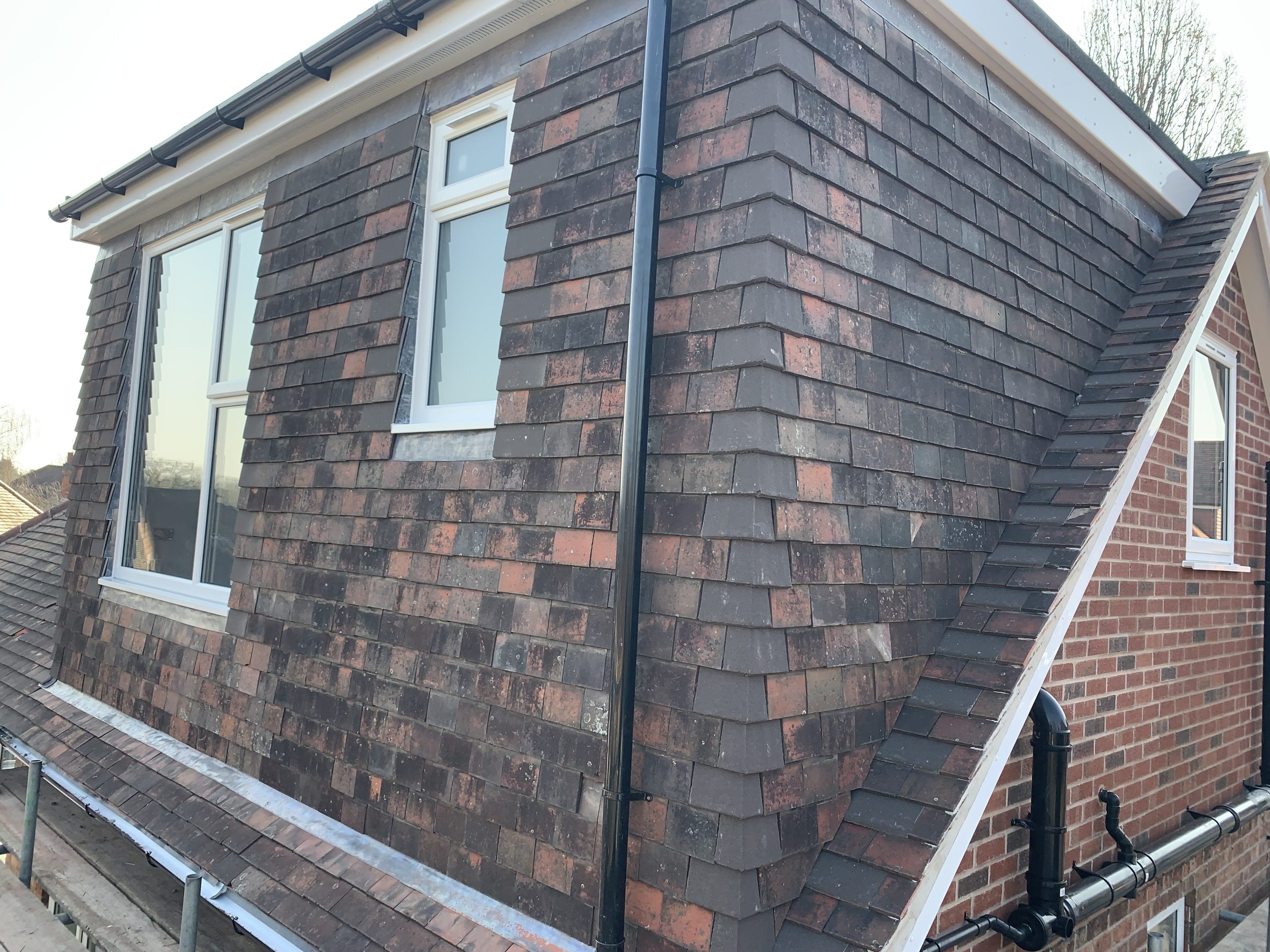
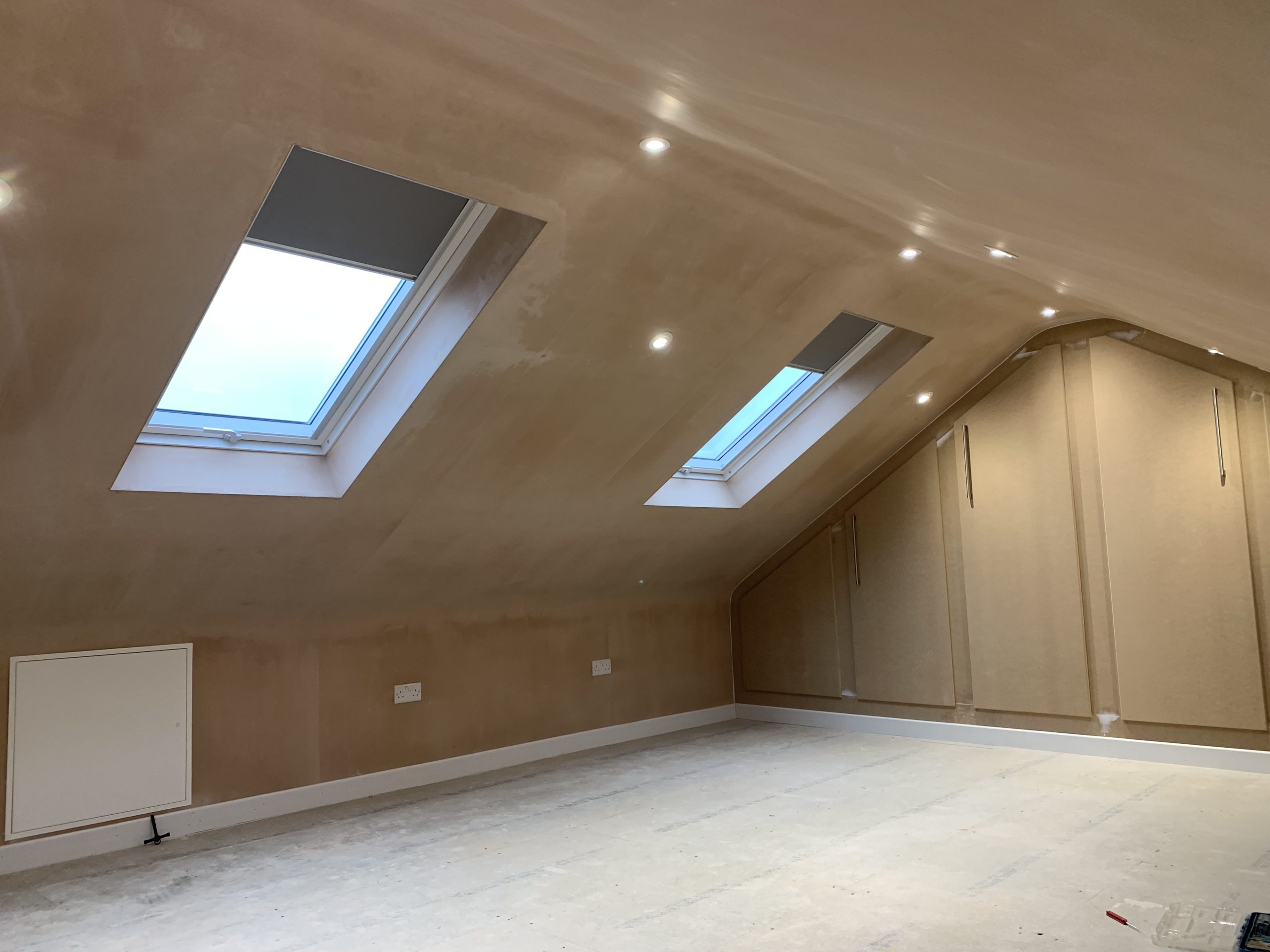
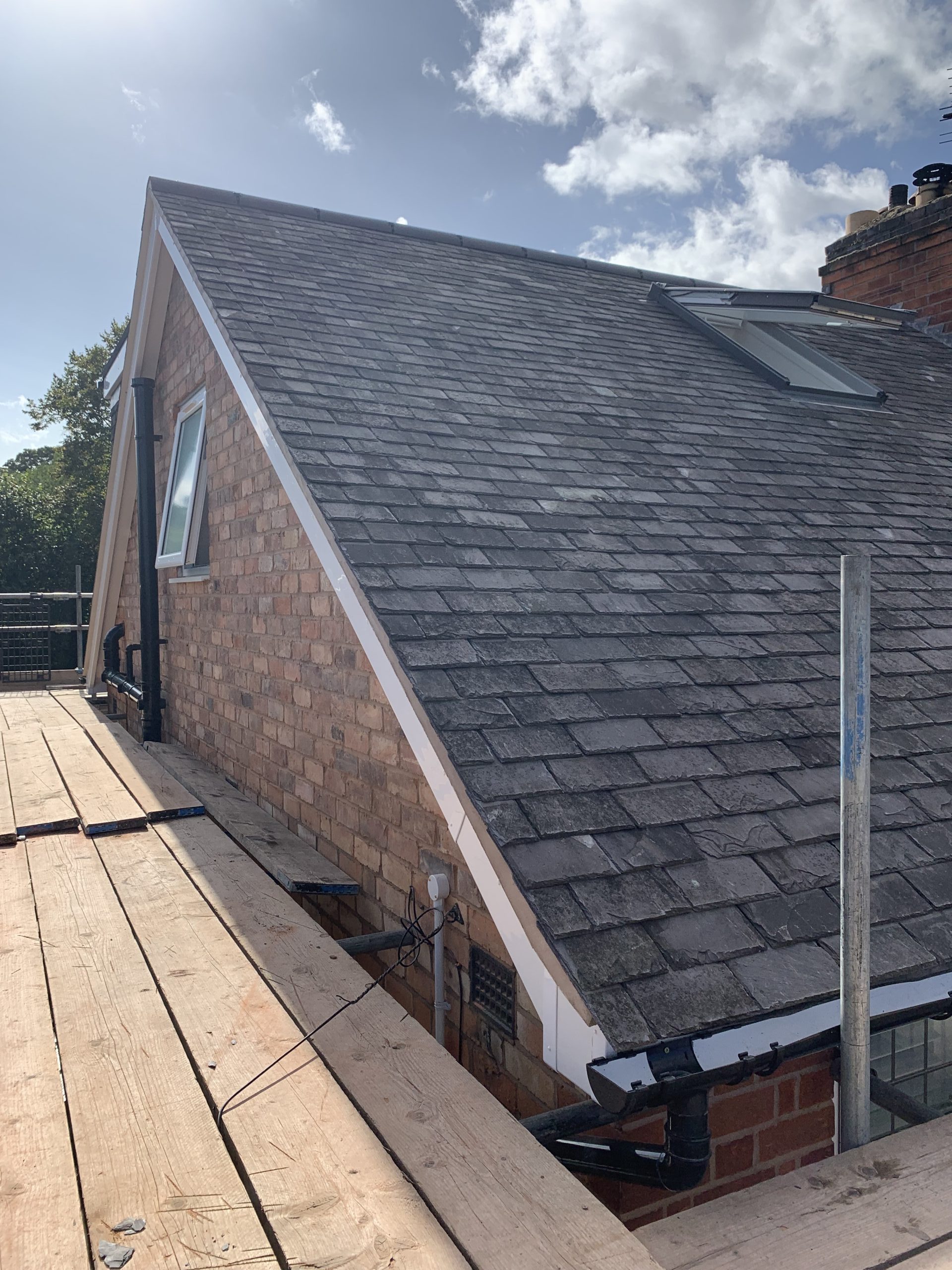
Here at MPH we’re always looking for ways to help our customers understand the costs of the different types of loft conversions and we came across an excellent article on msn.com which breaks it down; therefore, we have summarised the article for you.
If you’re looking to expand your living space and the recent changes in the National Policy Planning Framework making it easier to build taller loft extensions/conversions.
While converting the loft can be one of the cheapest and easiest ways to increase your square footage, you still need to understand what you’re getting into.
How much is a loft conversion in the UK?
According to Checkatrade, the average cost of a 30-square-metre loft conversion in the UK is around £50,000.
That said, the average price can range from £27,500 to £75,000 – and more. Costs can vary depending on the type/style, the size of the space, the materials used and other factors (more on these later).
Other thing to consider
If you’re considering a loft conversion, it is important not to underestimate the size of the project and how long it might take.
Andy Simms from MyBuilder.com, a site which helps consumers find the right tradesperson, said: “There is plenty of work involved in converting a loft, and it can take many weeks of disruption with tradespeople in your home.”
Depending on what changes you’re making, it’s likely the work may include:
- important structural changes to reinforce the floor joists, modifying the roof to increase headroom, and installing insulation
- adding access and stairs
- installing electrical and heating systems
- a plumber to create a new en-suite bathroom
Before all this, you will also need to remove the entire roof, or part of it, to create space for the new structure. This will require scaffolding being erected ahead of any work being carried out.
If you do decide to proceed, other considerations include whether planning permission will be required and whether a loft extension will actually add value.
What affects loft conversion prices?
The cost of this improvement can vary considerably depending on things such as:
- size of loft
- where you live
- type of loft conversion
Equally, while these are some of the key variables which can affect price, there are other factors that can also have an impact. These include:
- existing roof structure
- style and quality of finishes
- how long the project takes
- materials used
- labour required
- the room you are creating – you could, for example, pay more if you are creating a bathroom in your loft, as opposed to a bedroom
- potential cost of planning (though usually not required)
- potential cost of an architect.
Loft conversion FAQs
Do I need planning permission for a loft conversion?
Unlike other home extensions, loft conversions don’t usually require planning permission.
Mr Purdie said: “The good news is that the majority of loft conversions fall under permitted development rules, meaning you don’t have to gain planning permission before you begin.”
That said, there may be exceptions. If, say, you plan to dramatically alter the roof structure of your property you may need permission. This will also likely be the case if you live in a conservation area or if your property is listed. It is always worth checking before you get started.
Also, be aware that if you want to extend beyond the floor plan, then planning permission may be required. And, if you share a wall with a neighbour, you may need a “party wall agreement” or written consent before the work begins.
Helpfully, the proposed changes to the National Policy Planning Framework could deliver some advantages to both consumers and tradespeople.
Mr Palaniappan said: “For homeowners facing space constraints, these reforms will provide a more affordable and accessible alternative to costly home extensions. At the same time, tradespeople will benefit from more work and streamlined processes, enabling them to complete projects more efficiently and with fewer administrative hurdles.”
For more information check out the Government’s planning site.
What is the cheapest way to convert a loft?
If you are looking to save money, you might want to look into doing a part loft conversion, which involves tradespeople building the skeleton of the conversion, and then do the rest of the work yourself.
Beyond that, the key is to think about the type of loft conversion you want. A Velux or rooflight conversion tends to be the easiest and most budget-friendly option, as you do not change the actual roof structure. On the downside, this type provides the least amount of additional space to the property.
Are loft conversions worth the money?
Almost certainly yes, assuming the job has been done well.
Mr Simms said: “A loft conversion is a great way to transform your home, adding valuable space – and potentially increasing its value – all without the need for a full extension.”
Moreover, figures from HaMuch suggest a loft conversion can boost a property’s value by up to 25pc.
That said, the potential value you add will, of course, depend on the location of your home – and whether its value has already reached the ceiling price for your area.
You also need to remember the real value added is dependent on how much it costs you to implement.
Move on up
Considering moving because you have run out of space, but you love your home and the area you live in?
Why not talk to us about ‘moving on up’ and utilising the space within your loft; therefore, giving you the extra room you without the pain of moving and allowing you to stay in your home.